
Two Batteries Are Not Enough: Dual-Bus Power for Medium and Large Industrial UAVs
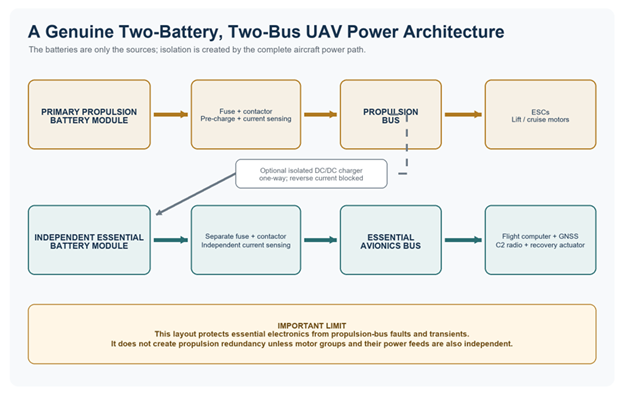
On a medium or large industrial UAV, the battery is no longer just a removable source of watt-hours. It is part of an aircraft electrical system: packs, contactors, pre-charge circuits, converters, buses, harnesses, sensors and software all decide whether stored energy can still reach the equipment that keeps the aircraft under control. That distinction is […]
6S, 12S or 14S? Why Industrial Drones Are Rethinking Battery Voltage
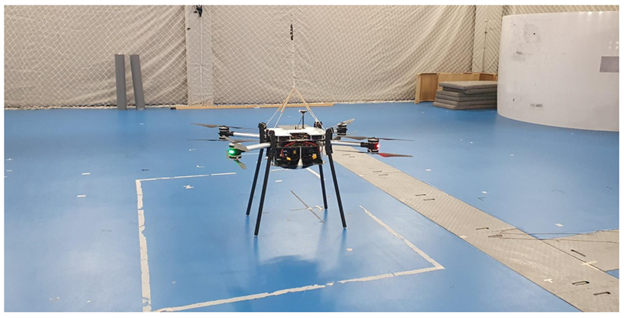
Industrial UAV buyers often compare watt-hours, C-rate and energy density first. Yet the decision that quietly reshapes current, heat, wiring, ESC selection and serviceability is the pack voltage itself. A custom coaxial octarotor during indoor flight testing. This kind of non-standard, power-dense architecture makes battery voltage a system-level design decision. Source: Berra et al. (2024), […]
Tethered Drones Still Need Batteries: Designing Millisecond Backup Power for Safe Landing
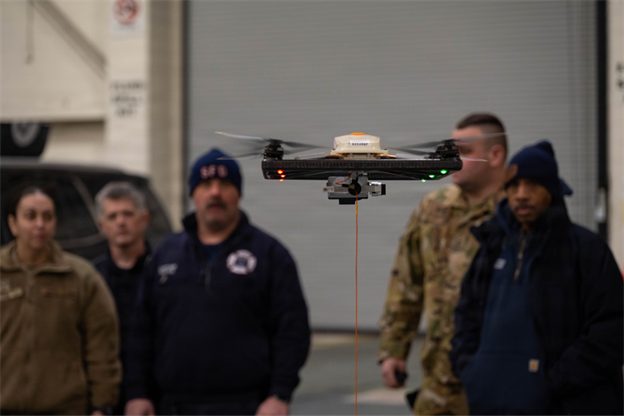
A tethered multirotor operating during a 2026 training session. Persistent flight does not eliminate the need for an onboard emergency power source. Source: U.S. Air National Guard / DVIDS, public domain Tethered drones are moving from specialist prototypes into persistent observation, temporary communications, emergency response, industrial inspection and site-security roles. A 2025 communications study, for […]
From Prototype to Fleet: How Industrial Drone Batteries Pass Batch Validation
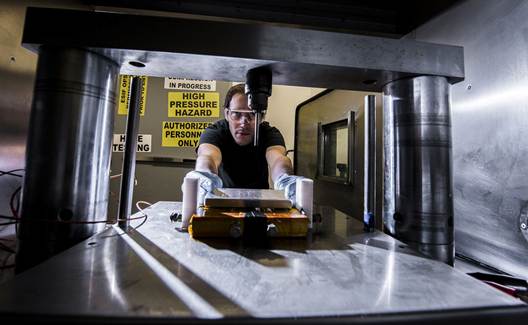
An industrial UAV battery can complete a successful prototype flight and still be a weak fleet product. One pack may meet the required endurance, stay cool and land with a comfortable reserve, while the next production lot delivers a wider voltage spread, higher resistance or inconsistent protection behavior. For an aircraft manufacturer or fleet operator, […]
Too Loose, Too Tight: Why Pouch-Cell Drone Batteries Need the Right Pressure
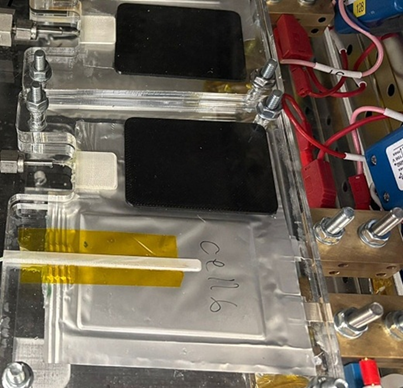
A pouch cell looks simple: a thin aluminium-laminate envelope, two tabs and a high ratio of active material to packaging. That low-overhead format is one reason pouch cells are attractive for industrial drones. Yet the flexible case also removes a structural function that cylindrical and rigid prismatic cells partly provide for themselves. The surrounding battery […]
The Milliohm Problem: Why Pouch-Cell Tab Design Matters for High-Power Drone Batteries
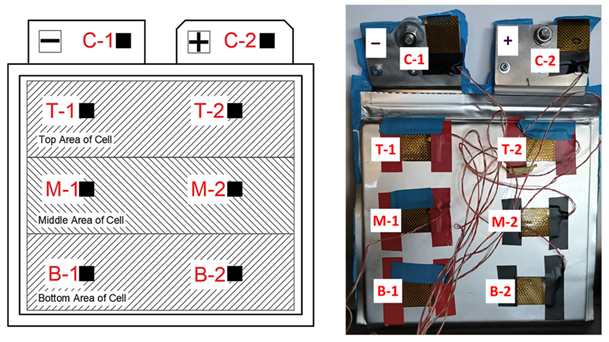
Battery headlines usually focus on chemistry: higher energy density, faster charging, longer cycle life and safer electrolytes. Yet every ampere entering or leaving a pouch cell must pass through a much less celebrated component—the tab system. In high-power drone batteries, that narrow current path can influence voltage sag, local heat, usable power and long-term consistency. […]
Why Laboratory Wh/kg Cannot Predict VTOL Drone Endurance
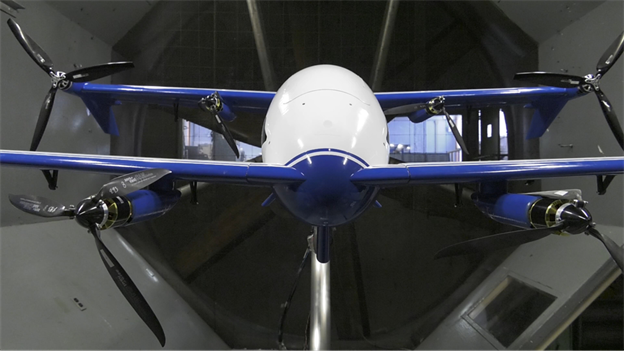
A higher gravimetric energy density can create more range potential, but it cannot tell an operator how long a VTOL drone will remain safely airborne. Real endurance is decided by the complete battery pack, the aircraft and the mission they must survive together. Battery buyers naturally look for one clean number. Watt-hours per kilogram, or […]
Solid-State Drone Batteries: What a 30% Flight-Range Gain Really Means
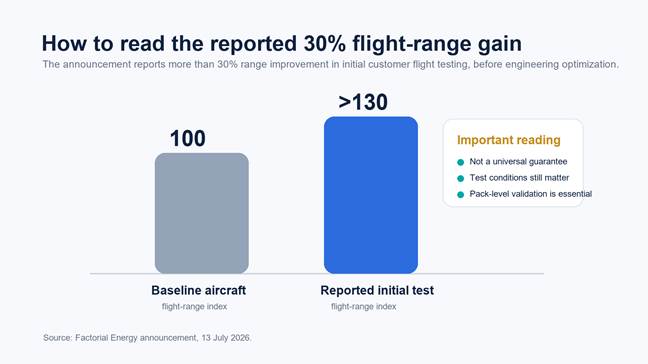
Drone endurance has always been a hard engineering limit. Motors can become more efficient, airframes can become lighter and flight software can become smarter, but the battery still decides how far a UAV can go before payload, wind, reserve and safety margins pull it back to earth. That is why a new solid-state drone battery […]
Smart BMS + SOH: How Industrial Drone Batteries Are Becoming Fleet Data Assets
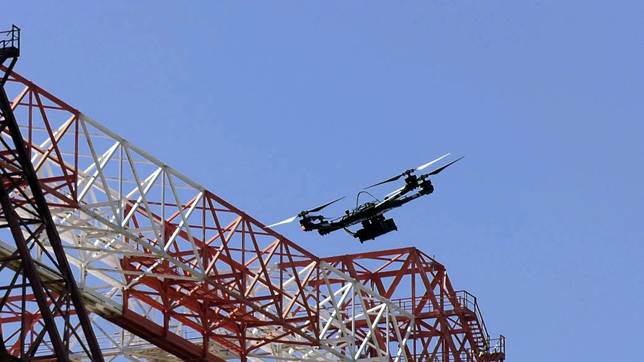
For years, many drone operators treated lithium battery packs as consumables: buy them, fly them, mark the cycle count by hand, retire the weak ones when performance feels unsafe. That approach may still work for hobby aircraft or small test fleets. It does not scale well for industrial UAVs that inspect powerlines, map infrastructure, spray […]